Description
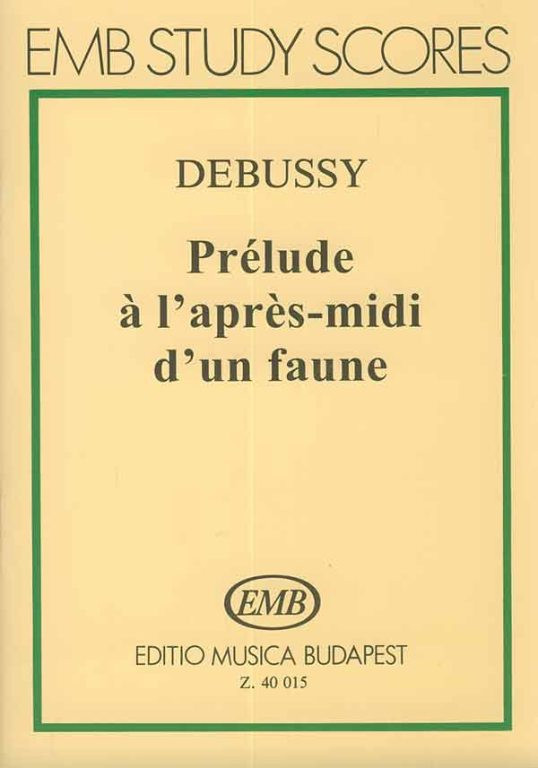
Ethereal Awakening: Claude Debussy's Prélude à l'après-midi d'un faune Pocket Score
Product Details
- Product Type: Pocket Score / Study Score (kispartitúra)
- Title: Prélude à l'après-midi d'un faune (Előjáték egy faun délutánjához)
- Composer: Claude Debussy
- Editor: Darvas Gábor (Közreadta Darvas Gábor)
- Brand/Publisher: Editio Musica Budapest Zeneműkiadó
- Series: EMB Study Scores
- Item Number (Catalog No.): 40015
- ISMN: 9790080400159 / 979-0080400159
- Genre: Classical, Symphonic Poem, Impressionism
- Instrumentation: Orchestra (Zenekar)
- Period: Impressionist (Korszak: Romantikus)
- Duration: $10'$ (Approx. 10 minutes)
- Origin: Made in Hungary
- Publication Date: 1982
Overview
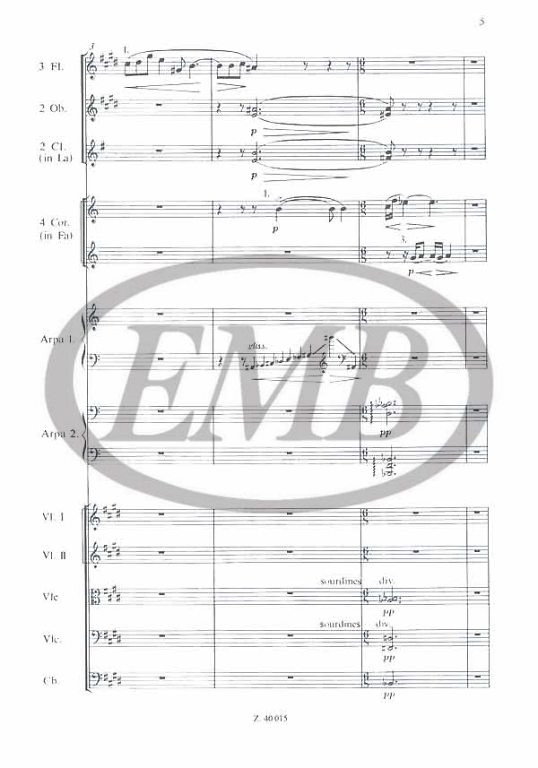
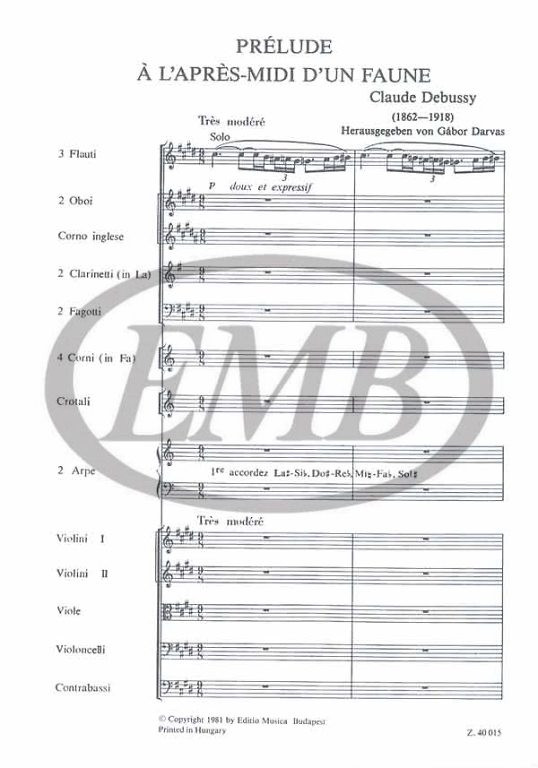
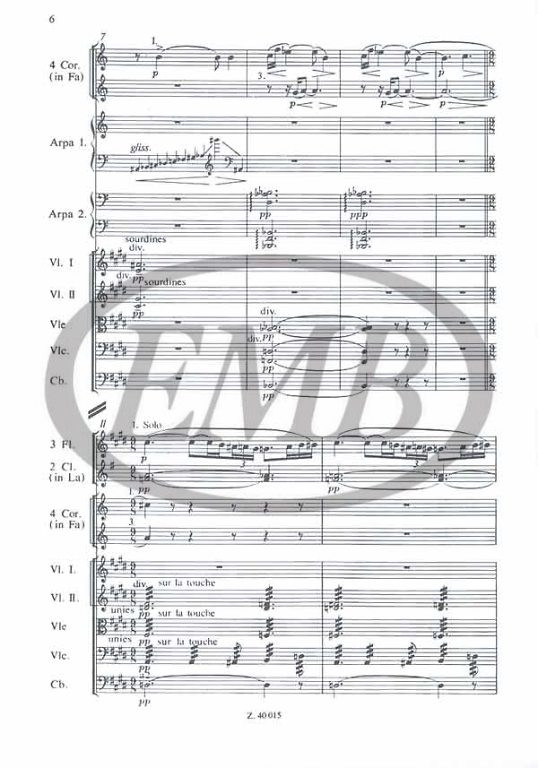
Claude Debussy’s Prélude à l'après-midi d'un faune (Prelude to the Afternoon of a Faun), composed between 1892 and 1894, is a pivotal work in music history, widely regarded as the beginning of the Impressionist era in music. Inspired by the challenging and sensual poem by Stéphane Mallarmé, the work evokes the drowsy, sensual musings of a faun in the heat of a summer afternoon, blending reality and dream. The Prélude is famous for its groundbreaking orchestral color, particularly the iconic, languid opening melody played by the flute. This edition, part of the EMB Study Scores series, is a convenient pocket score edited by the respected Hungarian composer and musicologist Darvas Gábor. It uses the composer-revised first printed score (1895) as its source, retaining Debussy's original French expressions and markings.
Áttekintés
Claude Debussy Prélude à l'après-midi d'un faune (Előjáték egy faun délutánjához) című, 1892 és 1894 között komponált műve kulcsfontosságú a zenetörténetben, széles körben a zenei impresszionizmus korszakának kezdeteként tartják számon. A kihívást jelentő és érzéki Stéphane Mallarmé vers ihlette mű a faun álmos, érzéki elmélkedéseit idézi fel egy nyári délután melegében, keverve a valóságot és az álmot. A Prélude híres úttörő zenekari színvilágáról, különösen a fuvolán játszott ikonikus, bágyadt nyitódallamról. Ez a kispartitúra kiadás, az EMB Study Scores sorozat része, kényelmes, zsebformátumú kottát kínál, amelyet a neves magyar zeneszerző és zenetudós, Darvas Gábor szerkesztett. Forrása a zeneszerző által ellenőrzött, első nyomtatott partitúra (1895), ragaszkodva Debussy eredeti francia kifejezéseihez és jelrendszeréhez.
Product Features
- Format: Paperback, compact A/5 size ($14.2 \times 20\text{ cm}$), ideal for carrying and studying
- Length: 40 pages—contains the complete one-movement work
- Instrumentation: Full Orchestra (Study Score format)
- Series: EMB Study Scores (Specialized format for academic and conducting study)
- Scholarly Source: Based on the composer-revised first printed score (1895).
Interesting Facts
Debussy originally intended the work to be a three-movement suite (Prélude - Interlude - Paraphrase) based on Mallarmé’s poem. However, upon completing the first movement in 1894, he determined that the continuation would be unnecessary, believing the single Prélude already perfectly captured the poem’s essence—a testament to its revolutionary completeness.
The work’s premiere, conducted by Gustave Doret in Paris on December 22, 1894, was an immediate success and had to be repeated. The famous opening chromatic flute line, ambiguous and elusive, immediately broke away from Wagnerian chromaticism, defining a new path for music. The editor, Darvas Gábor (1911–1996), was a Hungarian composer, conductor, and musicologist whose expertise ensured the accuracy of this critical score, especially in preserving Debussy’s intricate tempo and dynamic markings. .
Érdekességek
Debussy eredetileg háromtételes szvitnek szánta a művet (Prélude - Interlude - Paraphrase) Mallarmé költeménye nyomán. Miután azonban az első tétel elkészült 1894-ben, úgy döntött, hogy a folytatás felesleges, mivel úgy érezte, hogy az egyetlen Prélude tökéletesen megragadja a vers lényegét – ez bizonyítja a mű forradalmi teljességét.
A mű bemutatója, amelyet Gustave Doret vezényelt Párizsban 1894. december 22-én, azonnal sikert aratott, és meg kellett ismételni. A híres nyitó kromatikus fuvolaszóló, amely kétértelmű és megfoghatatlan, azonnal elszakadt a wagneri kromatizmustól, új utat jelölve ki a zene számára. A szerkesztő, Darvas Gábor (1911–1996) magyar zeneszerző, karmester és zenetudós volt, akinek szakértelme biztosította ennek a kritikus partitúrának a pontosságát, különösen Debussy bonyolult tempó- és dinamikai jelzéseinek megőrzésében.
Publishers
Editio Musica Budapest Zeneműkiadó (EMB) This 1982 publication in the EMB Study Scores series makes this landmark orchestral work—which ushered in the modern musical era—accessible for students, conductors, and music enthusiasts worldwide in a portable format.
We value your feedback! Share your experience with this product to help others make informed decisions. Your review is important to us!
Hashtags
#DebussyFaune #PréludeÀLAprèsMidiDUnFaune #PocketScore #OrchestralScore #DarvasGábor #EMBStudyScores #ImpressionistMusic #SymphonicPoem #MallarméInspired #BuyDebussyScore