Description
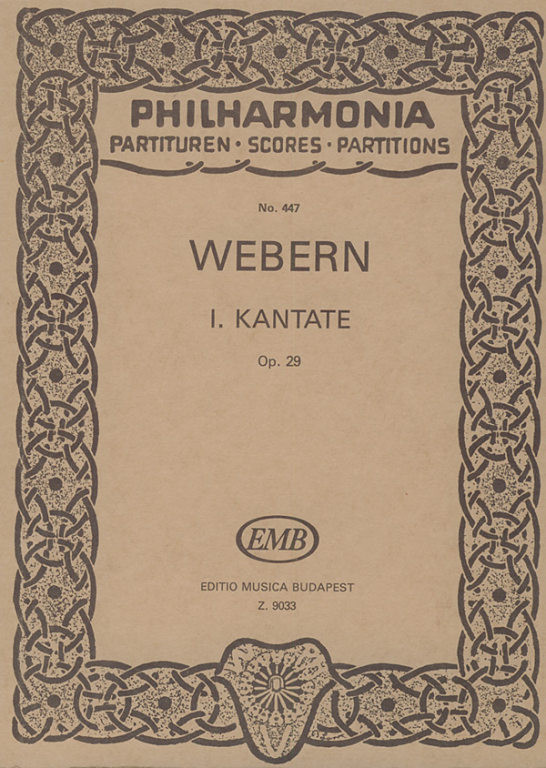
Lyrical Precision: Anton Webern’s I. Kantate (First Cantata), Op. 29
- Product Type: Pocket Score / Kispartitúra (Paperback)
- UPC/ISMN: 9790080090336 / 979-0-080-09033-6
- Brand Name: Editio Musica Budapest Zeneműkiadó
- MPN: 9033
- Composer: Anton Webern (1883–1945)
- Series: Philharmonia Study Scores
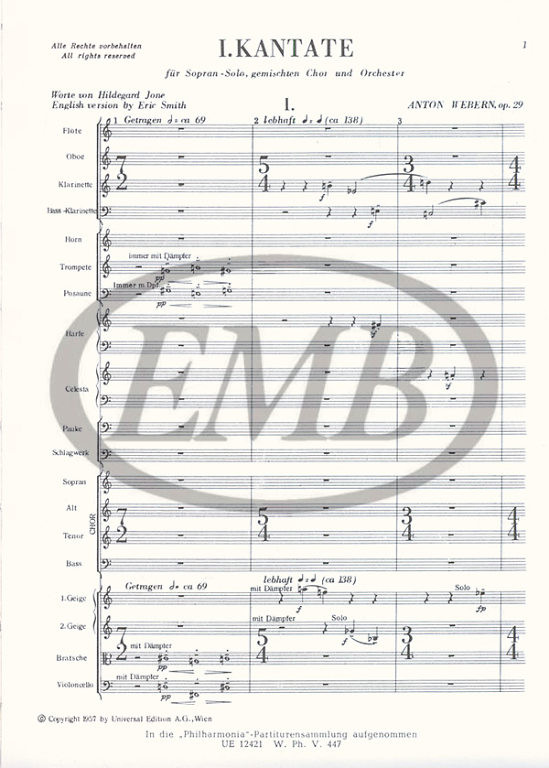
- Setting: Soprano Solo, Mixed Choir, and Orchestra
- Genre: Cantata / Oratorio / Serialism
- Period: 20th Century
- Languages: German (Original), English (Translation)
Overview
Anton Webern’s I. Kantate (Op. 29), composed between 1938 and 1939, represents the pinnacle of his late style, where rigorous dodecaphonic (twelve-tone) structure meets a surprising, crystalline lyricism. This 1984 pocket score from Editio Musica Budapest, part of the legendary Philharmonia Study Scores series, is an essential resource for analyzing Webern's unique approach to vocal and choral writing.
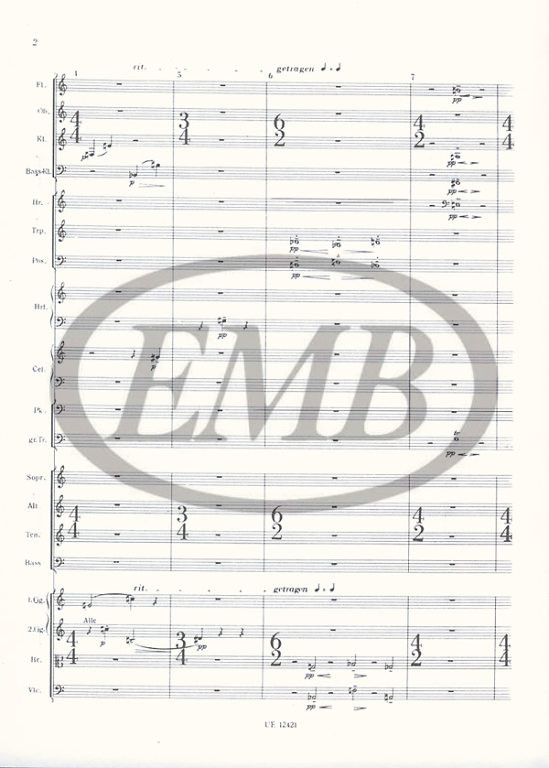
Based on the poetry of Hildegard Jone, the cantata explores themes of nature and spiritual transformation. Webern’s orchestration is transparent and pointillistic, yet it achieves a profound emotional resonance. This A/5 format score is designed for students, conductors, and theorists to trace the complex canons and mirrored rows that define this modern masterpiece.
Magyar nyelvű áttekintés
Anton Webern I. Kantátája (op. 29) 1938 és 1939 között készült, és a zeneszerző késői stílusának csúcspontját képviseli, ahol a szigorú dodekafon szerkezet meglepő, kristálytiszta lírával párosul. Ez az 1984-es, az Editio Musica Budapest által gondozott Philharmonia kispartitúra nélkülözhetetlen forrás Webern egyedi vokális és kórusírásmódjának elemzéséhez.
A Hildegard Jone verseire épülő kantáta a természet és a spirituális átalakulás témáit járja körül. Webern hangszerelése áttetsző és pointillista, mégis mély érzelmi rezonanciát kelt. Az A/5 formátumú kiadvány lehetővé teszi a hallgatók, karnagyok és elméleti szakemberek számára, hogy nyomon kövessék azokat az összetett kánonokat és tükörsorokat, amelyek ezt a modern remekművet meghatározzák.
Product Features
- Format: A/5 (14.2 x 20 cm) - Pocket Score
- Length: 44 Pages
- Series: Philharmonia Study Scores (Philharmonia kispartitúrák)
- Instrumentation: Soprano Solo, Mixed Choir (SATB), and a chamber-sized orchestra including mandolin and celesta.
- Published: March 1984
- Origin: Made in Hungary
Interesting Facts
- The Text: Webern was deeply inspired by the poet and painter Hildegard Jone. He believed her words perfectly mirrored the structural "organicism" he sought in his music.
- The Mandolin: Webern frequently included the mandolin in his late works, using its fragile, plucked timbre to highlight specific pitches within his tone rows.
- Symmetry: Like his Symphony Op. 21, the row for the First Cantata is highly symmetrical, reflecting Webern's obsession with the "Sator Square" and other palindromic forms.
Érdekességek
- A szöveg: Webernt mélyen inspirálta Hildegard Jone költő és festőművész munkássága. Úgy vélte, a nő szavai tökéletesen tükrözik azt a szerkezeti „organikusságot”, amelyet zenéjében keresett.
- A mandolin: Webern késői műveiben gyakran alkalmazta a mandolint, annak törékeny, pengetett hangszínét használva arra, hogy kiemeljen bizonyos hangmagasságokat a hangsorokon belül.
- Szimmetria: Ahogy az op. 21-es Szimfóniában, az I. Kantáta sora is rendkívül szimmetrikus, tükrözve Webern megszállottságát a „Sator-négyzet” és más palindrom formák iránt.
Movement Structure
- Zündender Lichtblitz (Igniting flash of light) – For Mixed Choir and Orchestra.
- Kleiner Flügel (Little wing) – Aria for Soprano Solo and Orchestra.
- Tönen die seligen Saiten Apolls (The blessed strings of Apollo sound) – For Mixed Choir and Orchestra.
Publishers
Editio Musica Budapest Zeneműkiadó (1984) Item number: 9033 / ISMN: 9790080090336
We value your feedback! Share your experience with this product to help others make informed decisions. Your review is important to us!
#Webern #FirstCantata #ModernMusic #PocketScore #12ToneMusic #EditioMusicaBudapest #ChoralMusic #SopranoSolo #StudyScore #Kotta #AntonWebern #Kantáta #Kispartitúra #Zeneszerzés