Description
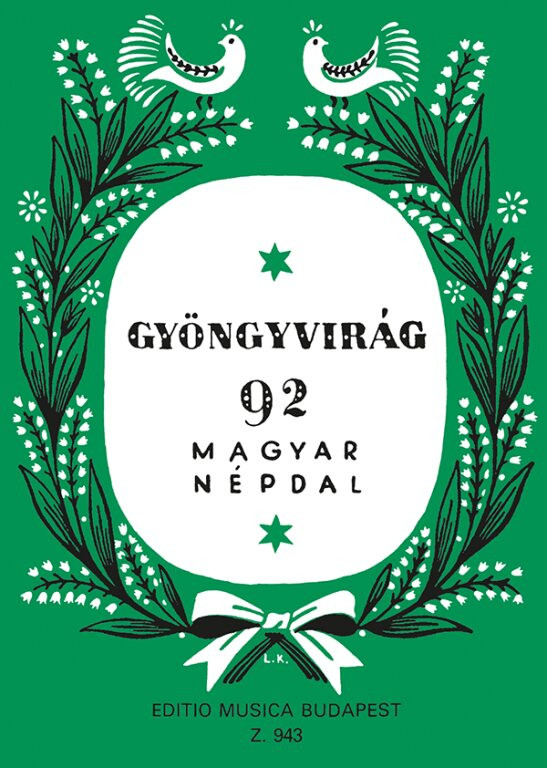
Lily of the Valley: Gyöngyvirág 92 – Hungarian Folksongs for the Young at Heart
- Product Type: Vocal Sheet Music / Pocket-sized Songbook
- UPC/ISMN: 9790080009437 / 979-0-080-000943-7
- Brand Name: Editio Musica Budapest Zeneműkiadó
- MPN: 943
- Editor: Lajos Bárdos
- Series: Flowers Series (Virágos sorozat)
- Genre: Hungarian Folk Music
- Instrumentation: Vocal (Melody with Lyrics)
- Language: Hungarian
Overview
Gyöngyvirág 92 (Lily of the Valley) is a cherished volume in the historic "Flowers" series, a collection that played a pivotal role in the 20th-century Hungarian folk music revival. Originally published in 1952 and edited by the legendary composer and pedagogue Lajos Bárdos, this pocket-sized book contains 92 authentic Hungarian folksongs.
The "Flowers" series was born from a movement—supported by Zoltán Kodály—to encourage Hungarian youth to sing native songs instead of foreign pop tunes. This volume serves as both a practical singing guide and a historical document of the "urban folksong" movement that transformed Hungarian musical education and social gatherings.
Magyar nyelvű áttekintés
A Gyöngyvirág 92 a történelmi „Virágos” sorozat egyik kedvelt kötete, amely kulcsszerepet játszott a 20. századi magyar népzenei újjászületésben. Az eredetileg 1952-ben megjelent, a legendás zeneszerző és pedagógus, Bárdos Lajos által szerkesztett zsebkönyv 92 hiteles magyar népdalt tartalmaz.
A sorozat abból a mozgalomból született – Kodály Zoltán támogatásával –, amely arra ösztönözte a magyar ifjúságot, hogy idegen dalok helyett saját népi kincseiket énekeljék. Ez a kötet egyszerre praktikus énekeskönyv és történelmi dokumentuma annak a városi népdalmozgalomnak, amely alapjaiban változtatta meg a magyar zenei nevelést és a közösségi éneklést.
Product Features
- Format: A/6 Pocket Size (10.2 x 14 cm)
- Length: 124 Pages
- Portability: Designed to fit in a pocket for hiking, camps, and school outings.
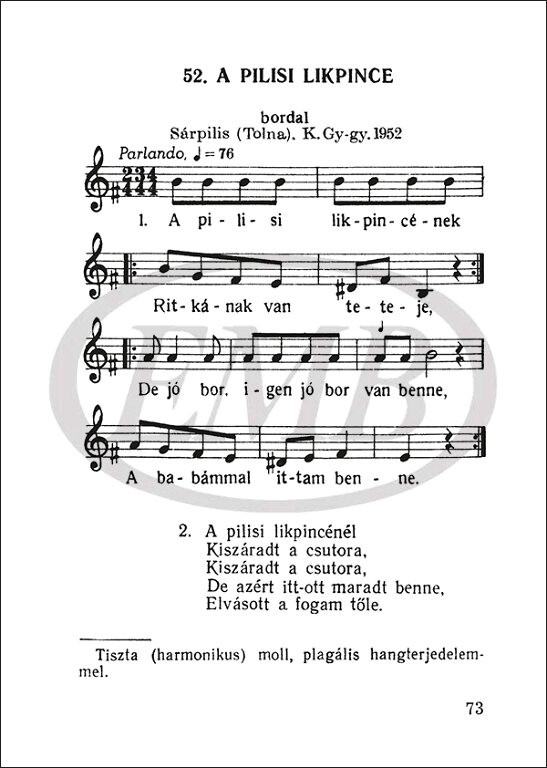
- Content: Single-line melodies with complete verses.
- Origin: Made in Hungary
Interesting Facts
- The "Flowers" Concept: Each volume in the series is named after a flower (Gyöngyvirág, Pipacs, Hóvirág, etc.). Together, the ten volumes contain over 1,000 songs.
- Lajos Bárdos (1899–1986): The editor was a giant of the Kodály method. He believed that singing folksongs was essential for "spiritual health" and national identity.
- Kodály's Influence: The predecessor to this series, 101 Hungarian Folksongs, featured a preface by Zoltán Kodály himself, marking the official start of using folk music as the primary tool for music education in towns.
- Historical Context: Published in 1952, this book reflects the era when folk music research was being standardized and integrated into the daily life of post-war Hungary.
Érdekességek
- A Virágos koncepció: A sorozat minden kötete egy-egy virágról kapta a nevét. A tíz kötet együtt több mint 1000 dalt ölel fel.
- Bárdos Lajos (1899–1986): A szerkesztő a Kodály-módszer egyik tartóoszlopa volt. Úgy vélte, a népdaléneklés elengedhetetlen a „lelki egészséghez” és a nemzeti identitáshoz.
- Kodály hatása: A sorozat elődjéhez, a 101 magyar népdalhoz maga Kodály Zoltán írt előszót, ezzel hivatalosan is elindítva a népzene városi ifjúsági oktatásba való beépítését.
Selected Contents / Tartalomjegyzék (Excerpts)
- Addig rózsám el nem veszlek
- Az árgyélus kis madár nem száll minden ágra
- Cifra palota
- Gyöngyvirággal virágzik a hegy alja
- Patkó-dala (Rongyos csárda)
- Zavaros a Tisza vize, nem tiszta
- Zöld erdőben juhászlegény furulyál
Publishers
Editio Musica Budapest Zeneműkiadó (1952) Item number: 943 / ISMN: 9790080009437
We value your feedback! Share your experience with this product to help others make informed decisions. Your review is important to us!
#HungarianFolk #LajosBardos #KodalyMethod #FolksongCollection #Népdal #Gyorgyvirag #MusicEducation #HungarianHeritage #Songbook #FlowersSeries #BardosLajos #Népzene